





What to Know About Emergency Rubbish Collection Harringay
Posted on 04/07/2026

If you need rubbish gone quickly, emergency rubbish collection in Harringay can feel like the difference between a stressful day and a manageable one. A blocked hallway, builders' debris after a rushed job, or a pile of waste after a tenancy change-over can turn up with very little warning. And let's face it, waste has a habit of becoming urgent at the worst possible time.
This guide explains what emergency rubbish collection in Harringay really means, how the service usually works, who it helps most, and what to check before you book. We'll also cover practical ways to avoid delays, common mistakes people make in a rush, and the standards you should expect from a professional team. If you want the quick version: speed matters, but so do safety, transparency, and proper disposal.
For a broader look at available local options, you may also find the services overview helpful, especially if you are comparing urgent clearance with planned rubbish removal, house clearance, or waste clearance.
Why emergency rubbish collection matters
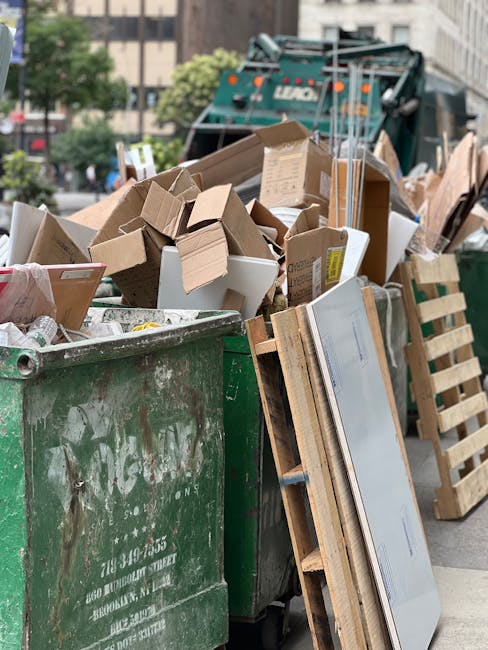
Emergency rubbish collection is about more than convenience. When waste builds up fast, it can obstruct access, create trip hazards, attract pests, and make a property harder to use. In a busy London neighbourhood, that can become a problem very quickly. A front path filled with bagged waste or a garden stacked with broken furniture is not just untidy; it can affect how safely people move around the space.
There is also the time factor. If you are between tenancies, handling a post-build clean-up, or trying to clear a property before visitors arrive, waiting days for disposal simply may not be realistic. That is where rapid collection becomes valuable. The goal is not just to remove rubbish quickly, but to remove it cleanly and legally without creating another issue for you later.
In local terms, emergency collection can be especially useful around busy roads, narrow frontages, shared entrances, and properties where access is awkward. You may notice that in places like the Green Lanes area, timing and access can matter as much as the waste itself. A good crew will think about where the vehicle can park, how the load will be carried, and how to keep disruption down for neighbours. That is the difference between a tidy job and a messy one.
Expert summary: If the waste is stopping you from using the property properly, creating a safety risk, or affecting a deadline, emergency collection is often the practical answer. Speed helps, but organised disposal helps more.
How emergency rubbish collection works
Most emergency rubbish collection jobs follow a simple pattern, although the pace is faster than a standard booking. First, you describe the waste and the access conditions. Then the provider gives you a rough estimate, confirms a time window, and explains what can be collected. In many cases, the team will need enough detail to judge how much labour, vehicle space, and disposal handling the job may require.
Here is the usual flow, in plain English:
- Initial contact: you explain what needs removing, where it is, and how quickly you need it gone.
- Assessment: the provider may ask for photos or a brief description so they can estimate volume and type of waste.
- Quote or guide price: you receive an indication based on labour, load size, access, and any special handling needs.
- Arrival window: a team arrives, checks the items, and confirms the final scope before loading begins.
- Collection and loading: the waste is removed safely, often with sweeping or basic tidying once the loading is complete.
- Disposal or recycling: the waste should be taken to the appropriate facility or processing route, not simply dumped elsewhere. That part matters a lot.
In a rush, people sometimes assume "emergency" means anything goes. It doesn't. A serious provider still needs to know whether the waste includes builders' rubble, mixed bulky waste, garden cuttings, office items, or general household junk. Some items need more care than others, and a few may need to be separated before removal.
If your urgent clearance is linked to a renovation or repair, it can be worth reading about builders waste disposal too. Builders' waste behaves differently from a pile of old furniture, and the collection approach usually reflects that.
Key benefits and practical advantages
The biggest benefit is obvious: speed. But the real value of emergency rubbish collection in Harringay is the way it reduces friction at a time when you probably do not need any more of it. One call, one visit, and a lot of pressure disappears. That sounds simple because it is, at least from the customer side.
Other practical advantages include:
- Fast access restoration: hallways, driveways, gardens, and workspaces can be made usable again.
- Lower stress during deadlines: moving day, property viewings, end-of-tenancy check-outs, and post-project clean-ups all become easier to manage.
- Safer surroundings: loose items, sharp edges, and heavy bags are less likely to cause problems.
- Better presentation: if you are trying to sell, rent, or prepare a property, a cleared space looks calmer and more cared for.
- More efficient than piecemeal trips: making multiple runs to a tip or storage point can take longer than people expect. Much longer, sometimes.
There is also a subtle benefit that gets overlooked: peace of mind. When rubbish is sitting there in view, you keep thinking about it. Once it is gone, the whole space feels easier to handle. Not glamorous, but real.
For readers exploring longer-term options too, the site's rubbish removal service and waste clearance service pages may help you compare urgent and routine removal needs.
Who this is for and when it makes sense
Emergency rubbish collection is not only for dramatic situations. In truth, plenty of ordinary moments make it the right choice. If you are dealing with a time-sensitive problem, or the waste is affecting safety, access, or a deadline, the service makes sense.
Typical users include:
- Homeowners clearing bulky waste after a refurb, loft tidy-up, or delivery issue.
- Landlords and letting agents who need a quick turnaround between tenancies.
- Tenants facing a move-out deadline and needing to clear remaining items fast.
- Builders and tradespeople with leftover rubble, packaging, or mixed site waste.
- Office managers removing old desks, broken chairs, or boxes before a handover.
- Garden owners with green waste, cut branches, or outdoor clutter after weekend work.
If you are unsure whether your situation qualifies as urgent, ask yourself: is the waste blocking normal use of the property? Is there a deadline? Is it creating a safety issue? If the answer to any of those is yes, emergency collection is probably worth considering.
For commercial situations, the distinction between office and general waste can matter. A quick look at office clearance in Harringay may be useful if your urgent job involves desks, filing, or work equipment rather than domestic waste.
Step-by-step guidance
If you want the smoothest possible experience, a little preparation goes a long way. Even when the job is urgent, a few minutes of clear thinking can save a lot of back-and-forth later.
- Separate what must go now. Start with the items causing the problem. Do not overthink the whole property. Focus on the immediate issue.
- Take clear photos. Wide shots and close-ups help a provider understand volume, access, and any awkward items. A quick snap by phone is usually enough.
- Check access. Can a vehicle stop nearby? Are there stairs, narrow gates, or restricted entry times? These details change how the job is handled.
- List any special items. Mattresses, appliances, heavy rubble, paint tins, or mixed materials may need extra handling.
- Ask for the process in writing. A brief written quote or booking summary reduces confusion later.
- Confirm timing carefully. If the collection must happen before a viewing, delivery, or checkout, say so early. Don't bury the deadline at the end of the message.
- Prepare the waste if safe to do so. Keep items together and separate anything fragile or dangerous from general clutter.
- Be present if needed. For emergency jobs, somebody may need to show the crew what is included and what is staying.
- Check the site afterwards. Make sure access routes are clear and any remaining debris has been removed or swept up.
There is a nice little rhythm to a well-run emergency collection: clear request, clear arrival, clear finish. Simple. That is what you want.
Expert tips for better results
After handling enough urgent clearances, a few things become obvious. First, photos matter more than most people think. Second, "mixed waste" can be much more complicated than it sounds. And third, the cheapest quote is not always the one with the fewest problems.
Here are a few practical tips that genuinely help:
- Be honest about the volume. If you understate how much waste there is, the job may need to be revised on arrival.
- Ask what is included. Loading, labour, disposal, and tidy-up may all be handled differently from one provider to another.
- Keep hazardous or sensitive items separate. Certain materials should be flagged early rather than hidden in a general pile.
- Use the time window wisely. If a crew is arriving soon, have access prepared and the waste grouped together.
- Think about recycling. Good providers sort materials where possible instead of treating everything as one heap.
And a small one from experience: if you are trying to clear a room in a hurry, resist the urge to start a "maybe keep" pile right in the middle of the floor. It always grows. Always.
If your urgent job came after a garden tidy, garden waste removal in Harringay may be a better fit than a general clearance, especially if you are dealing with cuttings, branches, and outdoor debris.
Common mistakes to avoid
The rushed nature of emergency collection is exactly what causes avoidable mistakes. Most of them are not dramatic. They are just the kind of small oversights that turn a quick job into a frustrating one.
- Not checking what can be collected. Some items need special handling, and assuming everything can go together causes delays.
- Giving vague descriptions. "A bit of rubbish" is not very useful when a team is trying to plan a vehicle and crew.
- Forgetting access details. A narrow mews, top-floor flat, or locked side gate changes the job more than people expect.
- Ignoring hidden extras. If a quote seems unusually low, ask what is excluded.
- Leaving mixed waste unseparated. When possible, keep clearly different materials apart.
- Assuming emergency means no paperwork. Even urgent jobs should have clear terms, even if they are brief.
One practical example: someone might need a same-day pickup after moving out of a flat near the station and leave all the boxes, a broken chair, and some old electronics in one pile. If they mention the electronics early, the provider can plan properly. If not, there can be a hold-up right at the kerb. Not ideal, especially when the clock is already ticking.
Tools, resources and recommendations
You do not need specialist equipment to arrange emergency rubbish collection, but a few basic tools make everything easier. A phone camera, a notepad, a tape measure, and a clear route to the waste are usually enough. In larger properties, a walk-through before booking can help you avoid surprises.
Recommended preparation items:
- Phone photos: useful for getting an accurate estimate quickly.
- Short item list: helps identify bulky, heavy, or unusual waste.
- Approximate access notes: stairs, parking, loading distance, and any time restrictions.
- Container or bag separation: useful for keeping loose waste under control.
- Basic measurements: especially helpful for sofas, wardrobes, and oversized garden waste.
For service comparison and trust-building, it can also help to review the company's approach to about us, insurance and safety, and recycling and sustainability. Those pages give a clearer sense of how seriously a business handles the job beyond just the headline promise of fast collection.
If you are comparing pricing, the pricing and quotes page is especially useful for understanding how transparent a provider is before you commit.
Law, compliance and best practice
Emergency rubbish collection still has to follow normal legal and environmental expectations. You do not need to know the full legal framework to book a service, but you should expect any reputable provider to handle waste responsibly and avoid shortcuts.
In UK practice, that usually means a few core principles. Waste should be transported safely, disposed of at the correct facility, and separated or recycled where possible. Duty of care matters here: the person producing the waste should use a provider they believe will manage it properly. That is why it is wise to ask a few direct questions before booking.
Useful best-practice questions include:
- Is the waste taken to a legitimate disposal or processing route?
- Can the provider explain how different waste types are handled?
- Are labour and disposal included in the quoted price?
- What happens if the waste volume is higher than expected?
- Is the team able to manage the collection safely on the day?
For mixed waste or clearances involving multiple item types, transparency matters a lot. You want a provider who can explain the process in plain English, not hide behind vague terms. And if a company is vague about safety or disposal, that is usually your sign to pause.
It is also sensible to check the business terms before booking. The terms and conditions page can help you understand how the company handles changes, cancellations, and job scope. That's not the exciting part, but it saves headaches later.
Options and comparison
There are several ways to deal with urgent waste. The right one depends on the volume, access, timing, and type of rubbish. Here is a simple comparison to help you think it through.
| Option | Best for | Strengths | Limitations |
|---|---|---|---|
| Emergency rubbish collection | Urgent waste, deadlines, safety issues | Fast, convenient, handled end-to-end | Can cost more than planned collection |
| Scheduled rubbish removal | Non-urgent household or bulky waste | More time to prepare, often easier to compare | Not ideal for same-day problems |
| House clearance | Whole-property clear-outs or major decluttering | Covers larger volumes and mixed items | May be more than you need for a small urgent job |
| Office clearance | Workplace furniture and business waste | Suitable for desks, chairs, and office items | Not always the best fit for general domestic waste |
| Builders waste disposal | Renovation debris and site waste | Useful for rubble, packaging, and post-project mess | Special handling may be needed for mixed loads |
If your urgent situation is property-related, one of the local guides on same-day rubbish removal near Harringay Station can also help you think about access and timing in a busy local setting.
Case study or real-world example
Here is a realistic example, with details kept general. A small landlord in Harringay discovered that a tenant had left behind broken shelving, a mattress, several bin bags, and a few items from a partially emptied shed. The checkout was due the next morning. There was no time for a drawn-out process, and the hallway was becoming difficult to use.
Instead of trying to handle it in separate car trips, the landlord arranged an emergency collection. Photos were sent in advance, the access route was described clearly, and the team knew the waste would be split between bulky items and garden-related material. The job was completed in one visit, and the property was ready for inspection the same day.
What made that work? Not luck. Clear information, realistic expectations, and enough preparation to let the crew move quickly. That is usually the pattern. When the customer gives the right details, the service can do its part properly.
A similar approach works for homeowners preparing for a last-minute event, or for anyone who suddenly needs to clear space before work starts the next morning. The specifics change, but the principle is the same: sort the urgent items, explain the access, and keep the process simple.
Practical checklist
Use this checklist before booking emergency rubbish collection in Harringay. It is short on purpose. In a rush, shorter is better.
- Identify the waste that must be removed now.
- Take clear photos from different angles.
- Note the type of waste: household, bulky, garden, builders, office, or mixed.
- Check whether any items need special handling.
- Measure or estimate the size of large items.
- Confirm access details: stairs, parking, gates, and loading distance.
- Share your deadline clearly.
- Ask what is included in the price.
- Read the booking terms if time allows.
- Make sure someone can meet the crew if needed.
- Clear a path to the waste where it is safe to do so.
- Keep important, reusable, or personal items separate.
Quick takeaway: the better you describe the job, the faster and smoother it usually goes. That sounds obvious, but under pressure people often skip the obvious bits.
Conclusion
What to Know About Emergency Rubbish Collection Harringay really comes down to this: speed is useful, but good planning is what makes the service genuinely effective. If you can explain the waste clearly, prepare access, and choose a provider that handles disposal responsibly, the whole thing becomes much less stressful than it first looks.
Whether you are dealing with a move-out deadline, leftover builders' debris, a garden pile-up, or office clutter that simply has to go, emergency collection can restore order fast. And when a space is cleared, you feel it immediately. The room breathes again. The pressure drops. Small thing, but a big relief.
If you are weighing up urgent clearance options or comparing services in the area, take a moment to review the available local pages and choose the route that fits your timeline, access, and waste type best.
Get a free quote today and see how much you can save.



 Tipper Van - Rubbish Removal and Loft Clearance Prices in Harringay, N4
 Luton Van - Rubbish Removal and Loft Clearance Prices in Harringay, N4