





Recycling Laws and Commercial Rubbish Removal in Harringay
Posted on 20/08/2026
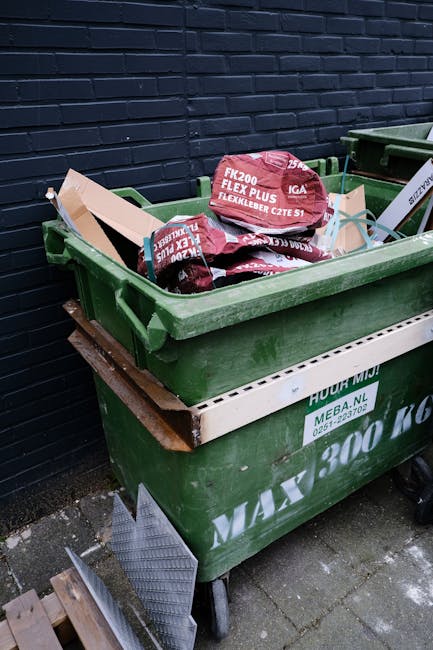
If you run a shop, manage an office, oversee a building project, or simply need regular business waste taken away, recycling laws and commercial rubbish removal in Harringay can feel like a moving target. One minute you are trying to separate cardboard from mixed waste; the next, you are wondering whether your waste carrier is doing everything by the book. It is a lot. And to be fair, most businesses do not have time to become waste-law experts.
This guide cuts through the noise. You will learn how commercial waste handling typically works in Harringay, why recycling compliance matters, what good practice looks like, and how to avoid the mistakes that tend to cause headaches later. We will also cover practical steps, a useful comparison table, and a checklist you can actually use.
If you are also planning a broader clear-out, it may help to understand the full range of options on the services overview and how that fits with local recycling and waste routines.
Why Recycling Laws and Commercial Rubbish Removal in Harringay Matters
Commercial waste is not just "rubbish". Once you are dealing with business premises, refurbishments, stock clearance, packaging waste, or regular trade waste, you are in a different lane altogether. The way waste is stored, sorted, moved, and handed over can affect compliance, costs, hygiene, and even your reputation.
In Harringay, that matters more than people sometimes think. Shops along busy routes, offices tucked behind main roads, cafes with tight rear access, and trades operating around residential streets all face the same practical question: how do you get waste removed quickly without creating extra mess, missed collections, or avoidable risk?
Recycling laws are there to reduce contamination, encourage responsible disposal, and make sure business waste does not simply drift into mixed refuse by default. In everyday terms, that means separating recyclable materials where possible, keeping waste secure, and using a lawful carrier for removal. Simple idea. Not always simple in practice.
There is also the neighbourhood factor. Harringay has the usual London pressure points: limited storage, shared access routes, parking restrictions, and buildings that were not designed with modern waste volumes in mind. That is why many businesses look at specialist support such as office clearance in Harringay or rubbish removal in Harringay when the bin store starts becoming, well, a bit of a disaster zone.
Expert summary: the best commercial waste setup is usually the one that is boring, predictable, and documented. If your rubbish leaves the site cleanly, is separated sensibly, and is collected by a compliant carrier, you are already ahead of many businesses.
That is the real point. Good waste handling is not glamorous, but it keeps operations tidy and lowers the chance of avoidable problems later on.
How Recycling Laws and Commercial Rubbish Removal in Harringay Works
Commercial rubbish removal usually starts with identifying what type of waste you actually have. That sounds obvious, but in real life it is where many mistakes begin. A single skip or collection load might contain cardboard, office paper, plastic packaging, old furniture, plasterboard, timber, green waste, and general mixed refuse. Each material may need a different approach.
In practical terms, the process often looks like this:
- Waste is assessed on site or from photos.
- Items are separated into reusable, recyclable, and general waste streams where possible.
- The waste is loaded safely and removed by a suitable carrier.
- Materials are taken to the appropriate facility for sorting, recycling, or disposal.
- The business keeps a record of what was removed and by whom.
That final point matters. Businesses are generally expected to know where their waste goes and who has taken it. If a contractor offers a cheap uplift but cannot clearly explain how it is handled, that is a yellow flag. Not always a deal-breaker, but definitely worth slowing down for.
For some sites, a one-off clearance is enough. For others, a recurring arrangement works better. For example, an office in the area might need regular removal of cardboard and redundant furniture, while a small restaurant may need frequent mixed waste support due to packaging, storage waste, and refurbishments. In those cases, service pages like waste clearance in Harringay can be more relevant than a general domestic solution.
Recycling law expectations are also shaped by common-sense rules: keep recyclables separate where feasible, avoid contamination, and do not let waste sit around in a way that creates smell, pests, or blocked access. If you have ever walked past a rear yard in midsummer and caught that warm cardboard-and-bin odour, you know exactly why this matters.
One useful thing to remember: commercial waste is not only about "getting rid" of items. It is about traceability, handling, and making sure your process would still make sense if someone asked you to explain it later. That is the quiet standard most businesses should aim for.
If your waste is tied to a renovation, heavy lifting, or stripped-out interiors, you may also want to look at builders waste disposal. That route is often more appropriate for rubble, timber offcuts, packaging, and site debris than a general clearance.
Key Benefits and Practical Advantages
There are a few clear benefits to handling commercial rubbish properly rather than treating it as an afterthought.
- Cleaner premises: clutter-free areas are safer and easier to work in.
- Better compliance: documented handling reduces the risk of avoidable issues.
- Faster operations: when waste has a system, staff spend less time improvising.
- Lower contamination: recycling streams stay cleaner and more usable.
- Fewer access problems: tidy waste storage helps avoid blocked exits and cramped loading points.
There is also a financial angle, although it is not always discussed well. A messy, mixed, last-minute approach often costs more because it takes longer to sort and can lead to extra labour or collection complexity. A simple separation habit can reduce the volume of true mixed waste, which is usually the least efficient material stream to deal with.
Another practical advantage is customer perception. If clients, suppliers, or staff see a clean back-of-house area, it sends a quiet message that the business is organised. It is not flashy. But it counts.
For local businesses, using a provider that understands the rhythms of the area can also save time. Busy streets, limited waiting space, and awkward entry points are common around London neighbourhoods. That is why local-aware support can matter just as much as the removal itself. If you are comparing options, pricing and quotes can help you think through the likely structure of a job before you commit.
And yes, there is a sustainability benefit too. Recycling where possible is better for the environment, but it also helps businesses show more responsibility in a way that is visible and easy to explain. No grand speeches needed. Just consistent habits.
Who This Is For and When It Makes Sense
This topic is relevant to a wider group than many people realise. It is not only for large companies with loading bays and dedicated facilities teams. In Harringay, it often matters most to smaller operators who do not have the luxury of space.
- Shop owners with packaging, stock waste, and occasional bulky items
- Offices clearing old desks, monitors, files, and storage clutter
- Landlords and letting agents dealing with end-of-tenancy business premises
- Cafes, takeaways, and hospitality venues with high packaging turnover
- Trades and contractors with site debris, boards, offcuts, and fittings
- Property managers organising common-area or communal clearances
It also makes sense if your regular bin system is no longer enough. That usually shows up as overfilled stores, loose items beside the bins, repeat contamination warnings, or staff taking waste to the wrong place because there is nowhere sensible to put it. Sounds familiar? You are not alone.
A practical rule of thumb: if waste is beginning to affect workflow, safety, or first impressions, it is time to formalise the process. For some premises, a periodic service is enough. For others, a one-off purge followed by a better system is the smarter move.
Businesses operating near transport links or busier mixed-use strips may also benefit from a quick-clear model. If that describes you, the article on same-day rubbish removal near Harringay Station gives a good sense of how urgent jobs are often handled in practice.
Step-by-Step Guidance
If you want a more controlled approach, use a simple process. Nothing fancy. Just a repeatable one.
- Identify the waste streams. Separate cardboard, plastics, metals, timber, general waste, and anything hazardous or specialist.
- Remove anything reusable. Some items can be redeployed internally or passed on rather than thrown away.
- Sort the obvious recyclables. Clean cardboard and paper are the easiest wins. Keep them dry if possible.
- Check access and loading space. This is where many collections get delayed. Gates, alleyways, stairwells, and parking all matter.
- Choose the right service type. General clearance, office clearance, builders waste, or garden waste each suit different scenarios.
- Ask how the waste is handled. You want a clear explanation of sorting and lawful transfer.
- Keep basic records. Notes, invoices, job details, and collection confirmation all help later.
There is a reason this approach works. It prevents the waste from becoming one huge job at the last minute. That is usually where costs rise and standards slip. In our experience, the moment you start mixing "for recycling", "maybe reusable", and "just get rid of it" in one pile, the job gets harder fast.
If your project is more domestic-commercial crossover - say, clearing a home office that has turned into a storage room - a house clearance in Harringay may be closer to what you need than a pure business service. The boundary is not always neat, and that is fine.
One small but important habit: photograph the waste area before collection. Not because you are trying to prove a point, but because it helps everyone understand the scale of the job and the access conditions. A quick photo can prevent a lot of back-and-forth. Funny how often that happens.
Expert Tips for Better Results
Here are the small details that make a big difference.
- Keep recyclables dry. Wet cardboard often becomes contaminated and harder to recover.
- Flatten bulky packaging. It saves space and makes loading cleaner.
- Label your waste bins or sacks. Staff are more likely to sort correctly if the system is obvious.
- Schedule clearances before peaks. Do not wait until the store room is full or the office move is tomorrow morning.
- Check access early. Narrow entrances and shared stairwells can make a simple job frustrating.
- Separate confidential waste carefully. Paper destruction and secure handling may be needed for some offices.
One thing that catches people out is how quickly "temporary storage" becomes permanent. A few boxes here, a broken chair there, and suddenly the fire exit is being used as a waiting room for unwanted stuff. Not ideal. Not at all.
Another tip: ask your team what keeps causing the waste problem. If the same type of packaging appears every week, maybe the supply process itself needs adjusting. Waste management is often a symptom of a workflow issue, not just a removal issue.
If you manage commercial premises with a bit of greenery, bins near planters, or regular outdoor maintenance, garden waste removal in Harringay can be relevant too, especially where mixed outdoor waste is building up alongside office or shop waste.
And do not overlook the people side. A system that is too complicated will be ignored. A system that is too vague will be abused. The sweet spot is somewhere in the middle - simple enough for staff, strict enough for compliance.
Common Mistakes to Avoid
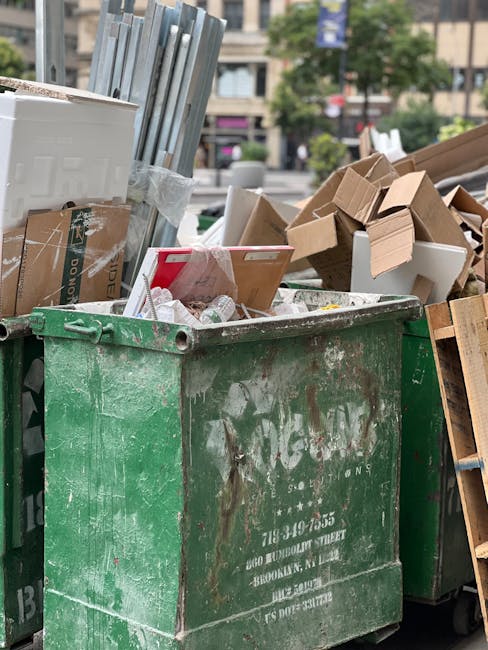
Most waste problems are not dramatic. They are just small errors repeated until they become expensive.
- Mixing everything together: this is the fastest route to contamination and inefficiency.
- Assuming any collector will do: not every provider is right for every kind of commercial waste.
- Ignoring access issues: blocked driveways, narrow passages, and stair-only access can delay collections.
- Leaving waste outside too long: that invites mess, weather damage, and the wrong kind of attention.
- Skipping records: if you cannot show what happened to the waste, things get awkward later.
- Choosing solely on the cheapest price: low-cost can be fine, but not if it hides poor handling or unclear service.
There is also the mistake of thinking recycling is only about ethics. It is not. It is also about practical control. A business that sorts well tends to waste less space, spend less time shifting rubbish around, and avoid the kind of "we will deal with it later" pile that becomes a real nuisance by Friday afternoon.
For a deeper look at avoiding price surprises, the article on hidden rubbish removal charges in Harringay is worth a read. Nobody likes getting stung by an avoidable add-on. Nobody.
Tools, Resources and Recommendations
You do not need a complex software setup to manage commercial waste well. Most businesses can get a long way with a few practical tools and a calm routine.
- Simple waste log: note what was collected, when, and by whom.
- Labelled bins: especially useful in shared staff areas or busy back rooms.
- Photo records: useful for before-and-after checks and access planning.
- Collection calendar: helps prevent build-up and forgotten pickups.
- Clear signage: makes sorting more likely, even when teams change.
For businesses that need a broader support package, a general recycling and sustainability page can help frame waste handling as part of a bigger operational standard rather than a one-off headache. That mindset tends to stick better.
If your premises are near busier routes or awkward access points, it can also be useful to think through timing. Early morning collections often work better where parking is tight or foot traffic is high. Sometimes the difference between a smooth job and a frustrating one is simply choosing the right hour.
For larger or recurring needs, it can help to explore the broader available services and match the type of waste to the right kind of collection. That avoids forcing a square peg into a round hole, which, let's face it, happens more than it should.
Law, Compliance, Standards, or Best Practice
Commercial waste handling in the UK is shaped by legal duties and standard business practice. The exact obligations can vary depending on the material, the business type, and whether any waste is hazardous or specialist. Because rules can change and situations differ, it is wise to treat this as general guidance rather than a substitute for tailored advice.
In plain English, most businesses should aim to do three things well:
- Store waste safely so it does not create a nuisance or hazard.
- Separate recyclables where practical to reduce contamination and improve recovery.
- Use a reputable waste carrier that can handle the material lawfully.
Businesses should also be careful with certain streams that may require specialist handling, such as electrical equipment, confidential paper, batteries, chemicals, or construction debris. If in doubt, it is better to ask before the waste leaves the premises. A five-minute conversation can prevent a bigger problem later.
Best practice usually includes keeping simple evidence of collection. That might be invoices, transfer notes, or job records, depending on the service and waste type. The key point is traceability. If your waste disappears into a van with no explanation, that is not enough for comfort.
For peace of mind, you may also want to review provider safeguards such as insurance and safety. It is a sensible habit, especially where staff, customers, loading areas, or shared entrances are involved.
If your business also needs to understand terms, responsibilities, or service conditions before booking, the terms and conditions page can help set expectations. That kind of clarity is underrated.
One final caution: hazardous or regulated waste should never be treated casually just because it looks small. A few items can still require special handling. When unsure, pause and confirm. Better safe than sorry, as people say for a reason.
Options, Methods, or Comparison Table
There is no single correct way to manage commercial rubbish in Harringay. The best method depends on volume, frequency, space, and how mixed the waste is. Here is a simple comparison to help you think it through.
| Method | Best for | Pros | Limitations |
|---|---|---|---|
| Regular trade waste collection | Businesses with steady recurring waste | Predictable, easy to plan, keeps premises tidy | Less flexible for sudden clear-outs |
| One-off commercial rubbish removal | Office moves, stock changes, project clearances | Quick reset, useful for bulky or mixed items | Can be less efficient if waste keeps building up |
| Builders waste disposal | Renovations, fit-outs, refurbishments | Suitable for heavy and awkward site debris | Not always ideal for general office or retail waste |
| House or mixed clearance | Domestic-business crossover situations | Flexible for varied item types | May not suit specialised commercial streams |
| Recycling-led sorting approach | Businesses wanting better recovery and lower contamination | Cleaner separation, often better long-term habits | Needs staff cooperation and a simple system |
If your business is small but busy, the right answer is often a mix of methods. For instance, you might use regular recycling separation during the week, then book a bigger clearance after stock rotation or a refit. That layered approach is often more sensible than forcing everything into one model.
Case Study or Real-World Example
Here is a realistic example from the kind of situation people run into all the time, even if they would rather not admit it.
A small office near a busy Harringay stretch had been storing old chairs, broken shelving, cardboard boxes, and outdated monitors in a rear room for months. At first, it was "temporary". Then the room became the place everyone avoided. Delivery boxes started piling up beside the exit, and recycling contamination became a weekly annoyance. Staff kept saying they would sort it next week. Next week kept moving.
What changed? They did three things. First, they separated what could be recycled from what needed general removal. Second, they cleared the bulky items in one planned visit instead of doing it piecemeal. Third, they introduced a simple labelling system for cardboard and reusable storage materials.
The result was not dramatic in a cinematic sense. No applause. No ribbon cutting. But the back room became usable again, the office looked better, and staff stopped wasting time navigating around boxes. Sometimes that is the whole win right there.
A similar pattern shows up in mixed-use buildings and small shops, especially where rear access is narrow and waste has to be moved carefully through shared spaces. If access is part of the challenge, the guide on blocked access problems for rubbish removal in N4 can help you think ahead before collection day.
Practical Checklist
Use this before booking or scheduling your next commercial waste collection.
- Have you identified which items are recyclable, reusable, or general waste?
- Have you checked whether any items need specialist handling?
- Is the waste area accessible without blocking exits or shared spaces?
- Have you flattened cardboard and separated clean recyclable material?
- Do you know where the waste will go after collection?
- Have you kept any relevant records, photos, or job notes?
- Is your collection timed to avoid peak traffic or access issues?
- Have staff been told what belongs in each waste stream?
- Are you confident the provider is suitable for the type of waste you have?
- Have you reviewed the broader plan so the same mess does not return next week?
If your team struggles with "where does this go?" questions every day, you are not failing. You just need a clearer system. That is fixable.
For business owners who want to understand how local rubbish rules affect everyday waste handling, the article on Haringey Council rules for domestic rubbish collection can be useful context, especially if your commercial premises also produce household-style waste or mixed overflow.
Conclusion
Recycling laws and commercial rubbish removal in Harringay are really about control, clarity, and keeping business waste from becoming a hidden problem. Once you have a straightforward system for separating materials, arranging lawful removal, and keeping basic records, the whole thing becomes much easier to manage.
The businesses that handle waste well are usually not the ones with the fanciest setup. They are the ones with simple routines, clear responsibility, and a steady habit of sorting before the pile gets out of hand. That is the trick, if you want to call it that.
Whether you are dealing with office clutter, retail packaging, refurbishment debris, or a mixed clear-out after a busy period, the best next step is to choose a method that fits your space, your team, and your waste volume. Keep it practical. Keep it lawful. Keep it tidy.
Get a free quote today and see how much you can save.
And if you get the system right now, future-you will be grateful when the back room still smells like storage, not yesterday's problem.


 Tipper Van - Rubbish Removal and Loft Clearance Prices in Harringay, N4
 Luton Van - Rubbish Removal and Loft Clearance Prices in Harringay, N4