





Real Cost of Rubbish Removal Harringay Explained
Posted on 22/10/2026
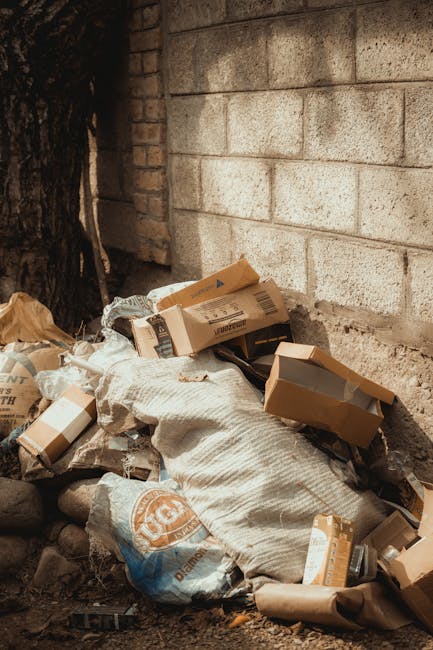
If you have ever looked at a pile of unwanted stuff in the hallway, the garden, or a flat that needs clearing fast, you will know the question comes up quickly: what is the real cost of rubbish removal in Harringay? Not the vague headline price, not the flashy "from" figure, but the actual amount you are likely to pay once access, weight, labour, and disposal are all taken into account.
This guide gives you the practical version. The one that helps you compare quotes properly, avoid surprise charges, and understand what you are actually paying for. Whether you are clearing a few bulky items, a builder's load, or a full house clearance, the real cost depends on more than just the size of the pile. And yes, that can be annoying. But once you understand the moving parts, the whole thing becomes much easier to manage.
We will break down pricing, explain how rubbish removal works in Harringay, and show you where value is won or lost. No fluff, no mystery, just a clear view of what makes sense for your situation.
- Why the real cost matters
- How rubbish removal pricing works
- Benefits and practical advantages
- Who needs this service
- Step-by-step guidance
- Expert tips for better results
- Common mistakes to avoid
- Tools, resources and recommendations
- Law, compliance and best practice
- Options and comparison
- Case study example
- Practical checklist
- Conclusion
- Frequently asked questions
Why Real Cost of Rubbish Removal Harringay Explained Matters
Let's face it: rubbish removal can look simple until you ask for a quote. Then the details start mattering. In Harringay, as in most London areas, the price can shift depending on access, parking, lift use, the kind of waste involved, and how much labour the job needs on the day. A small pile at the kerb can be one thing. A top-floor flat with no lift, awkward stair turns, and mixed waste can be something else entirely.
That is why understanding the real cost matters. It helps you avoid underestimating the job, which often leads to rushed decisions or nasty add-ons. It also helps you compare providers properly. Two quotes that look similar on paper may not be similar at all once you look at what is included.
There is also a practical side to this. If you are clearing waste before a move, after a renovation, or after a landlord inspection, timing matters. Paying a fair price for a reliable collection can save you extra days of mess, stress, and back-and-forth. And frankly, nobody wants a landing full of old furniture while waiting for the "cheaper" option that never quite arrives.
In a busy local area like Harringay, with streets that can be tight and parking that can be awkward, the hidden work behind a collection often becomes the biggest cost driver. Understanding that is half the battle.
How Real Cost of Rubbish Removal Harringay Explained Works
The basic pricing model usually comes down to volume, type of waste, labour, and disposal route. That sounds neat, but the real world is a little messier.
1. Volume or load size
Most rubbish removal services estimate by how much space your waste takes up in the van. A few bin bags will cost less than a half van load, and a half van load will cost less than a full one. Simple enough. But volume is not the whole story, because dense material like soil, rubble, or broken tiles can weigh much more than it looks.
2. Waste type
Mixed household rubbish is usually different from garden waste, builders' waste, appliances, mattresses, or office clearance items. Some materials need separate handling or recycling, which can affect the price. For example, a load of old sofas and wardrobes is one thing; a skip-worthy pile of plasterboard and rubble is another.
3. Labour and access
If the team can load from a driveway or ground floor entrance, the job is usually quicker. If they need to carry items down several flights, work around narrow hallways, or remove items from a back garden with limited access, labour time rises. This is where many quotes diverge. A provider that includes labour properly can look more expensive at first, but not always by the end.
4. Disposal and recycling costs
Waste has to go somewhere. Reputable operators factor in disposal, sorting, recycling, and transfer fees. That is a real part of the cost, not a made-up line. A good service will also try to divert usable material from landfill where possible. If you are comparing providers, this can be a useful clue about how they operate.
5. Timing and urgency
Same-day or emergency collections often cost more because they require flexibility, route changes, and immediate allocation of labour. If you need rubbish removed quickly near Harringay Station or around busier roads, the premium may be worth it. If you can wait a day or two, you may get a better rate.
One thing many people miss: the cheapest quote is not always the cheapest job. If a provider quotes low and then adds charges for stairs, waiting time, or loading after arrival, the final bill can creep up fast. Not always, but often enough to be worth watching.
Key Benefits and Practical Advantages
Understanding the real cost is not only about saving money. It also helps you make better decisions overall.
- Clearer budgeting: You can plan around a realistic figure instead of guessing.
- Fewer surprise fees: Knowing what affects the price makes hidden add-ons easier to spot.
- Better comparison: You can compare like with like, which matters more than people think.
- Faster turnaround: Once you know your waste type and access issues, you can book more efficiently.
- Less physical strain: No dragging awkward furniture down stairs yourself. That alone is worth something.
- Cleaner disposal route: A proper service handles transport, sorting, and disposal in one go.
There is also a small but important emotional benefit. A cluttered room can feel heavier than it looks. Clear the rubbish, and the place often feels different straight away. Brighter. Easier to breathe in. You notice it especially in older Harringay flats, where space is already at a premium.
Who This Is For and When It Makes Sense
This guide is for anyone who needs rubbish removed in Harringay and wants to avoid paying more than necessary. That might be a homeowner, tenant, landlord, letting agent, builder, shop owner, or office manager. Different people need different kinds of clearance, but the pricing logic is similar.
It makes sense if you are dealing with any of the following:
- End-of-tenancy clear-outs
- Moving house and getting rid of leftovers
- Broken furniture and bulky items
- Garden waste after pruning or landscaping
- Post-renovation builder's waste
- Office furniture or equipment clearance
- General decluttering after a long build-up of stuff
If you are only throwing out one small item, the cost might not justify a dedicated collection unless you need speed or convenience. But if you have a collection of awkward, heavy, or bulky waste, it is often better value than trying to make multiple trips yourself. Truth be told, once you factor in time, fuel, parking, and the sheer inconvenience, self-haul often costs more than people expect.
It also makes sense when the waste is mixed or awkwardly located. A back garden full of broken planters, old fencing, and cut branches is not the sort of thing most people want to shift on a wet Wednesday evening. Fair enough.
Step-by-Step Guidance
If you want to understand the real cost properly, work through the job the same way a good removal team would. That keeps surprises down and expectations realistic.
Step 1: List what needs removing
Start with the obvious items, then check the corners. Hallways, lofts, sheds, cupboards, and under-stair spaces often hide more waste than people expect. A quick room-by-room list helps you estimate volume and decide whether you need a light clearance or a fuller load.
Step 2: Separate waste types
Put garden waste, furniture, electronics, rubble, and general rubbish into rough groups. You do not need a perfect sorting system, but the more accurately you describe the load, the more accurate the quote will be.
Step 3: Check access
Ask yourself: can a team park close by? Are there stairs? Is there a lift? Will they need to carry items through the property? Is there a tight rear alley or a coded entry? These details affect labour and time, which affect price.
Step 4: Ask what is included
Before booking, confirm whether the quote includes loading, transport, disposal, and VAT if applicable. Ask whether there are extra charges for heavy items, late access, waiting time, or difficult parking. A proper provider should answer clearly.
Step 5: Choose the right service level
If you have a small, straightforward job, a basic collection may be enough. If the clearance is bigger or more complex, you may need a team that can handle dismantling, sorting, or multiple loads. Matching the service to the job is where the real value starts to show.
Step 6: Prepare the site
Move small items together, clear a path, and keep valuables out of the way. If you have fragile items near the clearance area, move them now. A tidy setup often makes the job faster, and faster jobs are usually cheaper. Not always, but often enough.
Step 7: Review the final cost before work begins
When the team arrives, walk through the waste with them and make sure the agreed load matches the quote. If anything has changed, get the revised price confirmed before the removal starts.
Expert summary: The most reliable way to control rubbish removal cost in Harringay is to describe the waste accurately, check access honestly, and insist on an inclusive quote before any loading starts.
Expert Tips for Better Results
A few small decisions can make a real difference to the final bill. These are the things experienced customers tend to get right after one or two clear-outs.
- Be precise about the waste: "A bit of rubbish" is not enough. Mention sofas, mattresses, rubble, appliances, bags, and anything unusual.
- Send photos if possible: A clear photo often improves quote accuracy more than a long explanation ever will.
- Ask about load thresholds: Some services price in bands. Knowing where your load sits can help you avoid being bumped into a higher bracket unexpectedly.
- Think about timing: If the job is flexible, off-peak slots may be easier and sometimes cheaper.
- Clear a route before the team arrives: This is a small thing, but it saves minutes, and minutes matter on labour-based jobs.
- Group similar waste together: It makes sorting simpler and helps the team load efficiently.
A useful habit is to ask for a quote based on the worst realistic version of the job, not the dream version. If the waste is sitting in a loft, assume it will take longer to move. If the access is tight, say so. Nobody likes inflated costs, but honest detail is usually the best way to avoid them.
And a little local insight: in parts of Harringay, parking and street access can change the whole feel of a collection. What looks like a ten-minute load can become a carefully choreographed bit of van Tetris. A good team knows this already, but it still helps to mention it early.

Common Mistakes to Avoid
Most cost problems come from the same handful of mistakes. Avoid these, and you are already ahead of the game.
- Choosing on price alone: The lowest quote may exclude key parts of the job.
- Underestimating volume: The pile is often bigger in real life than it looks from the door.
- Forgetting access issues: Stairs, gates, and parking can all affect labour time.
- Mixing prohibited or special items without warning: Some items need extra handling and can change the price.
- Not asking about disposal: You want to know where the waste goes, not just that it disappears.
- Leaving everything until the last minute: Rush jobs tend to cost more, especially during busy periods.
One common slip-up is assuming every removal quote is "all in" by default. Sometimes it is. Sometimes it absolutely is not. If the quote language feels vague, ask for clarification before the van turns up. That question alone can save a fair bit of hassle.
Tools, Resources and Recommendations
You do not need a shed full of specialist equipment to prepare for rubbish removal, but a few simple tools help.
- Strong gloves: Useful for moving broken or dusty items safely.
- Heavy-duty bags: Better than thin sacks that split halfway down the stairs.
- Tape measure: Handy if you want a rough sense of furniture size or access width.
- Phone camera: Great for taking photos for quotes and for remembering what needs to go.
- Marker pen and labels: Useful if you are separating items by room or by waste type.
- Sturdy trolley or sack barrow: Helpful for heavier items where access allows it.
For service selection, it is worth looking beyond the quote itself and checking how clearly a provider explains pricing, access, and disposal. Pages such as pricing and quotes, insurance and safety, and recycling and sustainability can help you understand what a responsible service should cover.
If your job is more specific, it helps to explore the relevant clearance type too. For example, garden waste, builders' waste, and house clearance all behave a little differently in practice. A provider that explains those differences clearly is usually easier to work with.
Law, Compliance, Standards, or Best Practice
Waste removal is not just a convenience service. It sits inside a set of practical and legal expectations about how rubbish is stored, moved, and disposed of. You do not need to become an expert in waste law to book a collection, but a little awareness helps.
In general, you should expect any reputable rubbish removal service to handle waste responsibly, carry the right insurance, and dispose of items through proper channels. That matters because if waste is fly-tipped or handled badly, the consequences can come back to the person who passed it on. That is why it is sensible to ask how a provider manages disposal and recycling.
For commercial jobs, the bar is even higher. Business waste may need clearer segregation and more careful documentation. If you are clearing an office, shop, or worksite, ask how mixed waste is handled and whether the service is suitable for your setup. For household clear-outs, the same basic principle applies: use a provider that treats the waste properly, not one that waves away the details.
Another practical point is access and parking. In London, a collection may be affected by local parking restrictions, narrow roads, or loading limitations. That does not make the job impossible, but it does mean the company needs to plan properly. If they do not ask about access, that is a small warning sign.
Best practice is simple: be honest about what you need removed, ask clear questions, and make sure the collection is legal, insured, and properly disposed of. It sounds obvious. Still, plenty of problems begin with vague promises and a cheap quote.
Options, Methods, or Comparison Table
There is more than one way to deal with unwanted rubbish in Harringay. The right option depends on how much waste you have, how quickly you need it gone, and how much lifting you want to do yourself.
| Option | Best for | Pros | Trade-offs |
|---|---|---|---|
| Professional rubbish removal | Bulky, mixed, heavy, or urgent waste | Fast, convenient, labour included, less stress | Can cost more than DIY for very small jobs |
| Skip hire | Projects with ongoing waste over several days | Good for large renovations, flexible loading | Needs space and may require permits depending on placement |
| DIY trips to a disposal site | Small volumes and flexible schedules | Potentially cheaper in cash terms | Time-consuming, physically demanding, fuel and parking costs add up |
| Bulk item removal only | Single furniture or appliance items | Simple and quick | Not ideal if you have mixed waste too |
If your load is awkward, scattered, or heavy, a dedicated rubbish removal service often gives the best balance of price and convenience. If you are doing a long renovation and can store waste safely, skip hire may suit you better. If you only have one or two items and can manage the transport yourself, DIY can still be sensible.
The point is not to force one solution. It is to choose the one that fits the job, because the "cheapest" method on paper can become the most expensive once time and effort are counted properly.
Case Study or Real-World Example
Here is a realistic example from the sort of job people in Harringay ask about all the time.
A tenant is moving out of a flat near the station and has a mix of old shelves, a mattress, several bags of general rubbish, and a broken desk. The hallway is narrow, the flat is on the second floor, and parking outside is tight in the late afternoon. On paper, it sounds like a modest job. In practice, the access makes it slower than expected.
If the tenant only asks for a ballpark figure based on "a few items," the quote may be too low. If they send a photo, mention the floor level, and confirm whether the desk needs dismantling, the quote becomes much more accurate. That usually leads to a smoother visit and a more realistic final price.
Now compare that with a householder clearing a driveway full of garden waste and broken fencing. Same area, same general service, but very different cost structure. The garden waste is lighter, but there is more loose material to gather and more time spent bagging. The price may be lower than the flat clearance, or not, depending on labour and access. That is the thing people often forget. The pile is not the price. The job is the price.
These little differences are exactly why local knowledge matters. A provider that understands Harringay streets, parking habits, and the kinds of properties in the area can usually quote more accurately from the start.
Practical Checklist
Before you book, run through this quick checklist. It takes a minute and can save a headache later.
- Have I listed everything that needs removing?
- Have I separated bulky items, garden waste, builders' waste, and general rubbish?
- Have I taken clear photos for an accurate quote?
- Have I told the provider about stairs, lifts, gates, or parking issues?
- Have I asked whether loading, disposal, and VAT are included?
- Have I checked whether any items need special handling?
- Have I confirmed the collection time and any access instructions?
- Have I cleared the route so the team can work safely?
- Do I understand the difference between the quoted price and possible extras?
- Have I chosen the option that makes sense for the amount of waste I actually have?
If you can tick most of those off, you are in a much better position to get a fair, predictable result. Small effort now, fewer surprises later. That is usually how the good jobs go.
Conclusion
The real cost of rubbish removal in Harringay is shaped by much more than a headline price. Volume, waste type, labour, access, urgency, and disposal all affect what you will actually pay. Once you understand those pieces, the whole process becomes less mysterious and a lot easier to control.
For small, straightforward jobs, the service can be a quick and tidy solution. For larger, heavier, or more awkward clearances, it often saves time, effort, and stress in a way that justifies the spend. The key is choosing with your eyes open.
If you remember one thing, make it this: ask for an inclusive quote, be honest about access, and match the service to the job. That simple approach usually leads to better value and fewer surprises. And after the clutter is gone, the space feels lighter in a way you can actually notice.
Get a free quote today and see how much you can save.
A clear room, a clear plan, and no mystery charges - that is a pretty decent outcome, really.


 Tipper Van - Rubbish Removal and Loft Clearance Prices in Harringay, N4
 Luton Van - Rubbish Removal and Loft Clearance Prices in Harringay, N4