Haringey Council Rules for Domestic Rubbish Collection Harringay
Posted on 01/08/2026
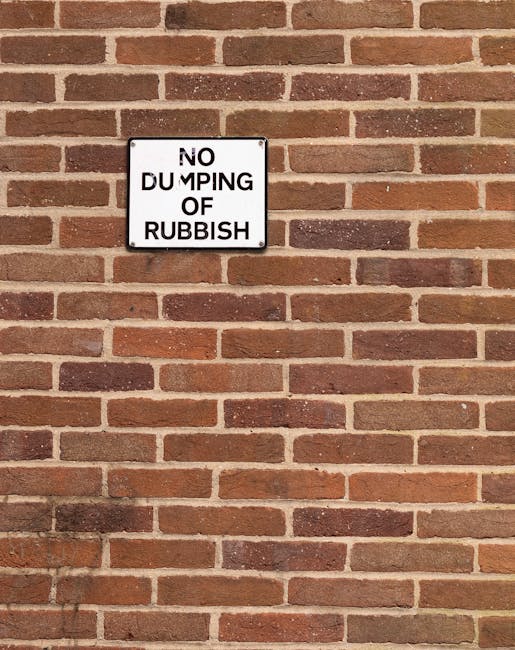
Haringey Council Rules for Domestic Rubbish Collection Harringay: A Practical Local Guide
If you live in Harringay, rubbish collection sounds simple until it suddenly isn't. One missed bin, one bulky item left out too early, or one awkward access issue can turn a normal week into a small headache. This guide explains Haringey Council rules for domestic rubbish collection in Harringay in plain English, so you know what belongs where, what to do when you have more than the usual bin bag, and how to avoid the kind of mistakes that lead to missed collections or complaints. We'll also look at what to do when council services aren't the best fit and where private rubbish removal can make life easier.
Why Haringey Council Rules for Domestic Rubbish Collection Harringay Matters
Domestic rubbish collection is one of those everyday services you barely notice when everything goes well. Then one small thing changes. A bin is overfilled, food waste goes in the wrong container, or a sofa gets left outside with no plan for collection. Suddenly, you are dealing with smells, vermin risk, and a very visible mess on a street where space is already tight.
In Harringay, that matters even more because many homes sit on busy residential roads, terraced streets, and blocks with shared access. A missed bin can block a path. A bag left at the wrong time can be moved or torn open. And let's face it, nobody enjoys being the neighbour who left a heap of rubbish by the front railings.
The rules are there to keep collections predictable, streets cleaner, and recycling contamination lower. They also help residents know what the council can reasonably collect and what needs a different solution. If you understand the basics, you can avoid fines, missed lifts, and the classic "why wasn't my bin taken?" moment on a damp Friday morning.
For residents who are planning a bigger clear-out, it can help to understand the broader picture too. Our services overview gives a useful sense of the support available when council collection alone is not enough.
How Haringey Council Rules for Domestic Rubbish Collection Harringay Works
At a high level, domestic waste collection in Harringay usually follows a simple pattern: you sort your household waste, place it in the correct container, present it on the correct day, and make sure crews can access it safely. The detail is where people trip up.
Most households will need to separate regular rubbish from recycling and food waste. The council's collection system is designed to reduce contamination, so putting the wrong material in the wrong container can mean the load is rejected or not collected. That's especially true for things like black sacks mixed with garden cuttings, or recycling bins containing food residue and nappies. Small mistakes, big nuisance.
Bulky waste is a different story. Sofas, mattresses, wardrobes, white goods, and similar items are usually not treated like ordinary weekly refuse. They often need a separate bulky collection arrangement or an alternative removal route. If you leave them out beside the kerb without checking the process, they may sit there far longer than you expected.
There are also practical access rules. Collection crews need safe, clear reach to your bin or waste storage point. That can become awkward in narrow streets, behind locked gates, or where parked cars block the route. If access is difficult, even a properly sorted bin can be missed. We've seen it happen more than once on a busy day near station roads: the bin was out, but the lorry simply could not get to it.
For residents dealing with more than routine household waste, it may help to compare council collection with private clearance options. A local rubbish removal service in Harringay can be useful when you need same-day uplift, mixed waste handling, or help with items that do not fit standard domestic collection.
What domestic collection normally covers
- General household rubbish in the correct container
- Recycling separated as requested
- Food waste placed in the right caddy or bin
- Some garden waste, where the council offers that route and the rules are followed
- Occasional bulky item arrangements, depending on the service and booking process
What it usually does not cover
- DIY and builders' waste
- Large quantities of renovation rubble
- Commercial or office waste
- Hazardous materials that need specialist handling
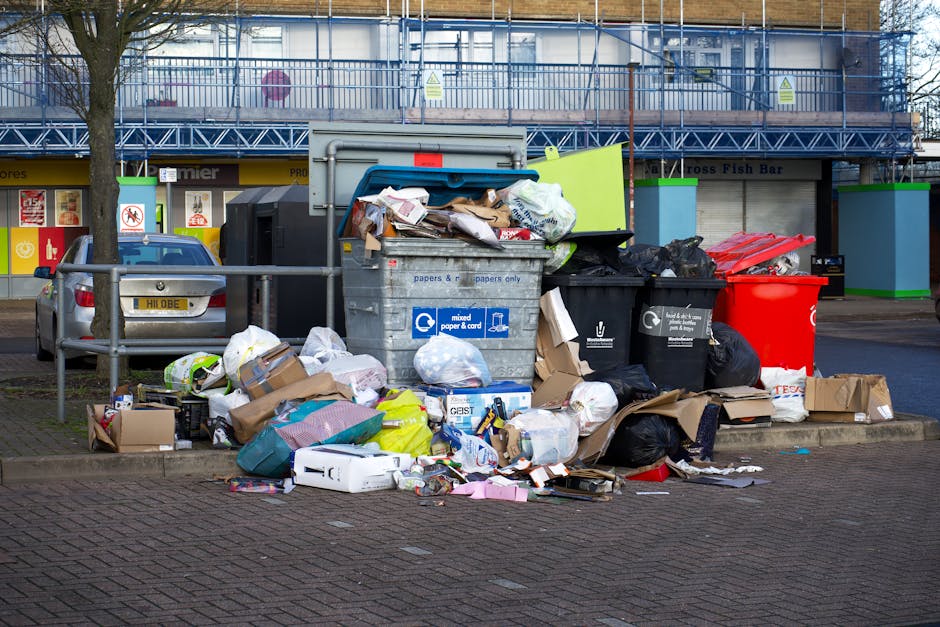
- Loose rubbish dumped beside bins because the container was already full
Key Benefits and Practical Advantages
Following the rules is not just about "being good" for the sake of it. There are real, day-to-day advantages.
- Cleaner streets: rubbish is less likely to spill, smell, or attract pests.
- Fewer missed collections: correct presentation and sorting give you a better chance of a smooth pickup.
- Better recycling outcomes: clean recycling is more likely to be processed correctly.
- Less stress: you are not left guessing what happened or who to blame.
- Less risk of enforcement issues: when waste is presented properly, there is less reason for complaints or penalties.
There's also a hidden benefit: good habits save time. Once you know what the council expects, you stop having to think about it every week. That matters in a place like Harringay, where life is busy, bins are often shared, and everyone seems to be carrying something at once.
If you are interested in waste handling beyond regular household collections, our recycling and sustainability guidance is a practical next read. It helps you think about waste as something to sort well, not just throw away fast.
Expert summary: The best results come from three simple habits: sort waste properly, present it at the right time, and keep access clear. Most collection problems start with one of those three being missed.
Who This Is For and When It Makes Sense
This topic matters to almost everyone in Harringay, but especially to a few groups.
- Tenants and flat sharers who need to manage communal bins and shared responsibility.
- Homeowners dealing with seasonal clutter, loft clear-outs, or garden waste.
- Landlords and managing agents who want fewer complaints about overflowing bins.
- New movers who are still working out the local system.
- Busy families who generate a lot of everyday household waste and need a rhythm that works.
- Anyone with a one-off clear-out who discovers the council bin service is not enough.
It also makes sense to think about the rules when you are planning life changes. Moving house, renovating a room, hosting a party, clearing out a deceased estate, or emptying a shed all tend to produce more rubbish than usual. You may think, "I'll deal with that later." And then later arrives with three bin bags, a broken chair, and nowhere to put them. Classic.
For people settling into the area, these local pieces may help you understand the broader rhythm of the neighbourhood: considering Harringay local living insights, exploring Harringay as a suburb, and the Harringay property purchase guide.
Step-by-Step Guidance
If you want a calm, practical approach, use this simple process.
- Check what type of waste you have. Separate normal household rubbish from recycling, food waste, garden cuttings, bulky items, and anything hazardous.
- Use the right container. The wrong bag or bin is one of the easiest ways to cause a collection issue.
- Keep contamination low. Food in recycling is a common mistake. So is throwing liquids, soft plastics, or loose waste into the wrong place.
- Present waste at the right time. Don't put it out too early, especially if the street is busy or the weather is poor.
- Make access easy. Move cars if needed, unlock gates where appropriate, and avoid blocking bins with bikes, prams, or delivery boxes.
- Know when council rules stop being practical. If you have bulky items, renovation waste, or a big move, the regular collection route may not be the right answer.
- Arrange a different solution if required. That might mean a booked bulky collection or a private clearance service.
A little planning goes a long way. We've all had that moment of spotting the bin lorry turning the corner and realising the bin is still inside the front garden. Not ideal.
If access or timing is becoming a recurring issue, the following local reads are handy: common blocked-access problems for rubbish removal and same-day rubbish removal near Harringay Station.
Expert Tips for Better Results
Keep a small household waste routine
Instead of letting waste build up all week, set one or two specific times for sorting. A Tuesday night reset or Saturday morning clear-up is enough for most homes. It feels dull, but it works.
Use clear labels in shared homes
If you live in a flat share or a building with communal bins, label bins or caddies where appropriate. Shared waste systems go wrong most often when nobody feels fully responsible.
Flatten packaging before bin day
Cardboard boxes, appliance packaging, and bulky delivery materials can take up far more space than needed. Flattening them means fewer overflows and less frustration.
Watch the weather
Rain can turn loose bags into a mess, and windy days can scatter lightweight packaging down the road. On a grey London evening, that loose takeaway container seems to travel farther than you'd think.
Separate garden waste early
If you have pruning, lawn clippings, or soil-covered plant cuttings, keep them apart from domestic rubbish. Garden waste rules are often different, and mixed loads are a common reason for issues. If that's your main job, see garden waste removal in Harringay.
Have a backup plan for bulky items
That broken wardrobe in the hall is not going to remove itself, no matter how long you stare at it. If a bulky item collection is delayed or unsuitable, private removal can save you days of hassle.

Common Mistakes to Avoid
- Mixing recycling with food waste or general rubbish. This is probably the most common avoidable error.
- Leaving waste out too early. It can be a nuisance, especially if bags are torn open before collection day.
- Overfilling bins. Lids should close where possible, and bags should not spill over.
- Ignoring access issues. A collection crew cannot always work around parked cars, locked gates, or narrow passageways.
- Using the wrong route for bulky waste. Sofas, mattresses, and white goods need a proper plan.
- Forgetting about shared responsibility. In communal buildings, one household's carelessness affects everyone.
- Assuming all waste is treated the same. Domestic, garden, builders', and commercial waste are not interchangeable. That's where trouble starts.
There's also a quieter mistake people make: waiting until a room is full before acting. A slow build-up of clutter is manageable if you catch it early. Leave it too long, and suddenly you need a bigger, faster solution. If that sounds familiar, fast rubbish clearance for hoarded rooms may be more relevant than a standard bin day.
Tools, Resources and Recommendations
You do not need fancy tools to manage domestic waste well, just a few sensible basics.
- Storage tubs or sacks: useful for keeping recycling separate and dry.
- Labels: especially useful in shared houses and flats.
- Calendar reminders: a simple phone alert can stop missed presentation days.
- Protective gloves: handy when sorting broken packaging, old cardboard, or garden waste.
- Heavy-duty bags: useful for move-out clearances or room-by-room decluttering.
For larger jobs, it is worth comparing council collection with private clearance. Council services are often best for routine household waste, while private teams can help with mixed loads, timed arrivals, and awkward access. If you want to compare service types more broadly, our services overview and pricing and quotes pages are useful starting points.
If your concern is not the waste itself but the logistics of getting it out, have a look at Harringay Ladder rubbish clearance and collection and the Green Lanes rubbish removal guide. Both are helpful for understanding how local access and timing can shape the job.
Law, Compliance, Standards, or Best Practice
This is one area where careful wording matters. Domestic rubbish collection in London sits within a wider framework of local authority service rules, waste duty expectations, and general environmental best practice. The exact operational details can change, so it is always wise to check the current council guidance before assuming a collection will work a certain way.
In practical terms, the most important compliance points for residents are straightforward:
- Put waste out only in the way the service expects.
- Do not mix prohibited or unsuitable material with domestic waste.
- Store waste safely so it does not create a nuisance or hazard.
- Use proper arrangements for bulky, DIY, garden, and special waste types.
- Avoid placing waste where it blocks pavements, entrances, or shared access ways.
Best practice is really just common sense with a bit of discipline. If you manage a home, a block, or a rented property, the safest approach is to keep records of recurring waste problems, set clear expectations for residents, and arrange alternative uplift quickly when needed. If you are ever dealing with safety concerns around collection or lifting heavy waste, see insurance and safety information so you can think through risk properly.
Options, Methods, or Comparison Table
When you need to clear domestic rubbish in Harringay, there are usually a few options. The right one depends on urgency, waste type, and how much help you need.
| Method | Best for | Strengths | Limitations |
|---|---|---|---|
| Standard council domestic collection | Routine household waste and recycling | Simple, familiar, usually cost-effective | Limited to approved waste types and presentation rules |
| Booked bulky collection | Sofas, mattresses, white goods, large household items | Suitable for larger items, more structured than kerbside dumping | May require advance booking and item limits |
| Private rubbish removal | Mixed waste, same-day needs, awkward access, one-off clearances | Flexible, fast, can handle a wider range of jobs | Usually costs more than routine council collection |
| Garden waste service | Clippings, branches, soil-touched organic waste | Better than mixing into general rubbish | Not suitable for all green waste or large loads |
For many households, the answer is not one method forever. It changes by week. A normal Tuesday bin day? Council collection. Clearing the spare room before a move? Probably private removal. Needing a shed emptied after a windy weekend? Possibly a mixed approach. That flexibility is the key.
Case Study or Real-World Example
A couple in a Harringay terrace recently reached the point where their weekly bin routine stopped working. They had just finished redecorating one bedroom, and the old shelving, packaging, and a broken chair had been left in the hallway. They planned to "deal with it after dinner," which turned into three days of stepping around it. You know how that goes.
By the time they looked at the situation properly, the domestic bins were already full. Their regular collection would not take the extra waste, and the bulky item was too awkward to leave out blindly. The best solution was simple: separate the recycling, bag the general rubbish, and arrange a collection method that matched the actual load rather than hoping the council system would somehow stretch to fit it. Once they did that, the hallway was clear in one morning instead of hanging over them for a week.
The lesson is boring but useful: the right disposal route saves time, stress, and repeat handling. In domestic waste, "nearly sorted" is usually the same as not sorted at all.
Practical Checklist
- Have I separated general waste, recycling, food waste, and garden waste?
- Is my bin not overfilled and the lid able to close?
- Have I checked whether the item is bulky waste rather than ordinary rubbish?
- Is the collection point clear of cars, bikes, gates, and other obstructions?
- Am I putting the waste out at the right time for the scheduled pickup?
- Do I know whether the material needs special handling?
- Would a private clearance service be quicker or more suitable for this job?
- Have I avoided leaving loose sacks where they might spill or be torn open?
- For shared properties, has everyone been told what goes where?
- Have I kept any packaging, receipts, or booking details in case I need them?
If you can tick most of those off, you are already ahead of the average household. Really, you are.
Conclusion
Haringey Council rules for domestic rubbish collection in Harringay are not complicated once you see the logic behind them. Sort waste properly, use the right container, present it on time, and keep access clear. Most problems come from rushing, guessing, or assuming every type of rubbish can be treated the same way.
For everyday household waste, the council system is often enough. For bulky items, awkward access, mixed loads, or urgent clear-outs, a private removal solution can be the calmer choice. The goal is not just to get rubbish off the property; it is to do it cleanly, safely, and without creating another problem in the process.
If you are in the middle of a clear-out, moving home, or just tired of staring at the same pile of waste in the corner, take the next sensible step and choose the route that fits the job rather than forcing the job to fit the route. That small bit of judgement makes life easier, honestly.
Get a free quote today and see how much you can save.


 Tipper Van - Rubbish Removal and Loft Clearance Prices in Harringay, N4
 Luton Van - Rubbish Removal and Loft Clearance Prices in Harringay, N4