Duckett Common Garden Waste Removal Harringay
Posted on 18/06/2026
Duckett Common Garden Waste Removal Harringay: A Practical Local Guide for Tidy, Stress-Free Outdoor Spaces
If your garden in Duckett Common is starting to look more like a pile of cuttings than a place to relax, you are not alone. After a weekend of pruning, hedge trimming, weeding, or clearing out an old border, the last thing most people want is to spend hours bagging, lifting, and figuring out where the waste should go. That is where Duckett Common Garden Waste Removal Harringay becomes genuinely useful: it turns a messy, time-consuming job into something straightforward and manageable.
This guide explains how local garden waste removal works, what it is best for, when it makes sense, and how to avoid the common mistakes that create extra hassle. It also covers practical expectations around collection, sorting, and responsible disposal, so you can make a decision with a clear head. No fluff. Just the useful bits.
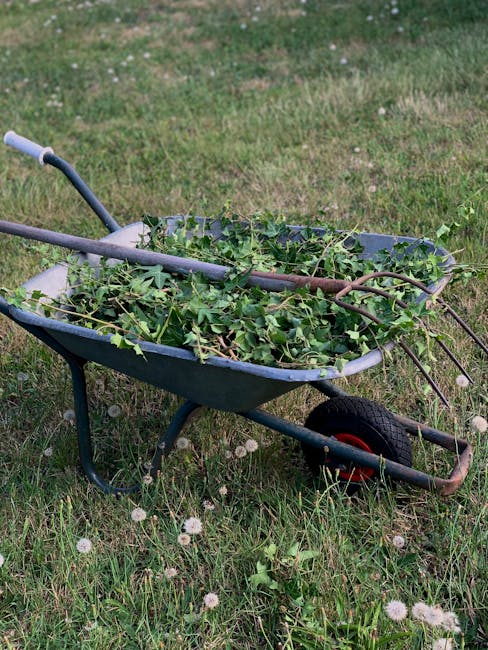
Why Duckett Common Garden Waste Removal Harringay Matters
Garden waste looks harmless enough when it first starts building up. A few bags of grass cuttings, a couple of branches, some weeds, maybe an old shrub or two. Then, before you know it, there is a heap sitting by the fence, the path is blocked, and the whole space feels unfinished. In a neighbourhood like Duckett Common, where gardens may be compact, shared, or simply busy with regular use, quick and tidy clearance matters more than people think.
Garden waste removal is not just about neatness. It affects how easy it is to use the space, how safe paths and patios remain, and whether organic waste is dealt with properly instead of lingering in damp bags for weeks. If you have ever stepped into the garden on a wet morning and smelled that slightly sour mix of grass and rain-soaked leaves, you will know what I mean. It is not ideal.
This kind of service also matters because garden projects often produce mixed waste. A tidy-up may include green waste, soil, old plant pots, broken trellis, rotting timber, and maybe a few items from a general clear-out as well. That mix can become awkward quickly. A proper garden waste removal approach helps separate what can be reused, recycled, or disposed of responsibly.
For readers comparing local options, it may help to look at broader support too, such as the full services overview and the dedicated garden waste removal in Harringay page, especially if your project stretches beyond simple green waste.
How Duckett Common Garden Waste Removal Harringay Works
Most garden waste removal jobs follow a fairly simple process, even if the actual garden itself is a bit chaotic. The basic idea is to clear the waste, load it safely, and send it on for the right kind of processing. In practice, the details can vary depending on what you need removed and how much of it there is.
Usually, the process begins with a quick assessment. That might happen online, over the phone, or in person. The aim is to understand the volume of waste, access to the property, and whether the load is mostly green waste or a broader mixed pile. A small front garden tidy-up is obviously different from a full back garden clear-out after a hedge reduction and patio refresh.
Once the scope is clear, the collection can be arranged. On the day, the team normally removes the waste from where it has been stacked, bags it if needed, and loads it into a vehicle. If the waste is dense or awkward, such as damp branches, heavy turf, or tangled roots, that can take a little longer than people expect. Truth be told, garden waste is often heavier than it looks.
After collection, the waste is sorted for appropriate disposal. Green waste may be recycled or composted where facilities allow, while mixed garden rubbish and non-organic items are handled separately. If your project includes broken sheds, fencing, or leftover soil and hardcore, you may need to combine garden clearance with something broader like waste clearance in Harringay or even builders waste disposal if you are also doing landscaping work.
That is the key point: it is not just about taking stuff away. It is about separating the right stuff, moving it safely, and keeping the job efficient from start to finish.
Key Benefits and Practical Advantages
There are several solid reasons people choose a local garden waste removal service rather than trying to handle everything themselves. Some are obvious. Some are less obvious until you are halfway through dragging thorny branches through a narrow side return and wondering why you did not call for help sooner.
- Saves time: A task that might take most of a day can often be reduced to a focused collection window.
- Reduces physical strain: Moving compost bags, branches, hedge trimmings, and soil is hard work, especially if access is tight.
- Keeps the property usable: Clear paths, patios, and lawns are safer and easier to enjoy.
- Helps with mixed waste: If garden work has created more than just green waste, a removal team can manage the whole lot in one go.
- Supports responsible disposal: Good operators sort waste carefully instead of dumping everything together.
- Improves presentation: Useful if you are preparing a home for sale, letting, photography, or a simple summer refresh.
The practical benefit people often miss is momentum. When the waste is removed quickly, you are more likely to finish the rest of the garden job. Fresh mulch goes down. The lawn gets edged. The garden starts to look like a garden again, which sounds simple but honestly makes a huge difference.
It can also support wider property upkeep. If you are already planning home improvements, some readers find it helpful to pair garden work with house clearance in Harringay or even broader rubbish removal in Harringay so the whole property feels reset.
Who This Is For and When It Makes Sense
Duckett Common Garden Waste Removal Harringay is not only for people with large gardens or major landscaping plans. In fact, it is often most useful for ordinary households dealing with a very normal amount of garden mess. That is where the value really shows up.
This service makes sense if you are:
- tidying up after seasonal pruning or hedge cutting
- clearing a neglected corner of the garden
- removing piles of grass cuttings after repeated mowing
- preparing a property for sale or a tenancy change
- dealing with old planters, pots, soil bags, or broken garden items
- combining garden work with small outdoor repairs or light landscaping
It is also a sensible choice if you simply do not have the time, vehicle space, or physical capacity to do several runs to a disposal site. Let's face it, not everyone wants to spend Saturday afternoon loading soggy branches into the boot of the car. There are nicer things to do in Harringay.
If you are exploring the local area and want a broader sense of day-to-day living, these reads may help as well: considering local living in Harringay and exploring the delights of this picturesque suburb. They are not about waste removal directly, but they do help place garden upkeep in the context of real neighbourhood life.
Step-by-Step Guidance
If you want the cleanest result with the least fuss, it helps to approach the job methodically. Here is a straightforward way to think about it.
- Separate the waste types. Put green waste in one pile and keep non-organic items separate. Branches, leaves, grass, weeds, and hedge clippings belong together; broken timber, old furniture, and plastic pots usually do not.
- Remove hidden heavies. Soil, wet turf, stones, broken edging, and old roots can make the pile heavier than expected. Check before lifting or bagging.
- Keep access clear. If waste is stacked in the garden, make sure the route to the collection point is not blocked by bikes, bins, or garden furniture.
- Choose a collection method. Decide whether you need a one-off collection, a same-day clear, or support after a larger garden project.
- Be clear about what is included. Mention mixed waste, large branches, soil, fencing, or awkward access early. It saves time and avoids awkward surprises.
- Ask about sorting and disposal. A reliable provider should be able to explain how waste is handled in plain language. If the answer is vague, that is a mild warning sign.
A quick example: a homeowner trims back an overgrown laurel, clears a flower bed, and rips out three old sleepers. That is not just "garden rubbish". It is a mix of green waste and bulky material. Knowing that before the collection makes the whole process smoother.
For broader operational guidance, you may also want to review pricing and quotes so you understand how collections are usually assessed, especially when loads are mixed or access is tricky.
Expert Tips for Better Results
Small habits make a surprisingly big difference. In our experience, the smoothest garden waste removals are the ones where the waste is organised before anyone arrives. It sounds obvious, but plenty of jobs are delayed because everything is dumped in one huge, tangled heap.
Tip 1: Bag light material, but do not overfill. Grass clippings and leaves are easy enough to bag, yet overfilled bags are awkward to lift and can split. A few sensible bags are better than one heroic disaster.
Tip 2: Cut long branches down to manageable lengths. You do not need to do all the hard work, but shortening awkward pieces helps with loading and space efficiency.
Tip 3: Keep thorny and sharp cuttings visible. Rose clippings, brambles, broken canes, and splintered timber can be sneaky. Mark them clearly so nobody gets scratched while handling the pile.
Tip 4: Check for non-garden items. It is very common for old flowerpots, garden lights, broken toys, and random storage bits to end up in the same pile. If they are there, mention them. Better upfront than later.
Tip 5: Time the clearance after cutting, not before. If the garden is still being worked on, you may just create a second pile. A simple sequence avoids duplicate effort. Not glamorous, but effective.
If you need help around the same time with other property projects, the wider our services section can be useful for understanding the range of support available. The point is to match the right service to the actual mess, not the imagined one.

Common Mistakes to Avoid
Most problems with garden waste removal are not dramatic. They are small errors that create a bigger job than necessary. A few of the usual suspects are worth flagging.
- Mixing everything together: Green waste, timber, soil, and general rubbish should not be treated as one single pile unless the collection is arranged for mixed waste.
- Underestimating the weight: Wet grass and damp branches are far heavier than they look. That is a classic one.
- Leaving access too tight: If someone has to squeeze through gates or weave around furniture, the job will slow down.
- Assuming all garden waste is identical: It is not. Compostable material, recyclable material, and non-organic waste may follow different routes.
- Forgetting about hidden items: Old tarpaulins, cracked pots, rusty fixings, and plastic edging often sit beneath the obvious green waste.
- Waiting too long: Piles get wetter, heavier, and smellier the longer they are left. No one loves that.
Another small but real issue is scope creep. You start with a hedge trim, then notice the shed corner, then the old planter, then the broken barbecue, and suddenly the "garden waste" job has become a full outdoor clearance. That is fine, but it should be acknowledged early so the collection is planned properly.
Tools, Resources and Recommendations
You do not need a shed full of specialist kit to prepare for a garden waste collection, but a few basics help a lot.
- Heavy-duty bags: Helpful for leaves, weeds, and lighter clippings.
- Gloves: Useful for brambles, nettles, broken twigs, and rough edges.
- Secateurs or loppers: Good for reducing branch size before collection.
- Tarpaulin: Handy for dragging cuttings into one place without spreading debris everywhere.
- Wheelbarrow or garden trug: Saves repeated carrying if the garden is long or awkwardly shaped.
- Dustpan and brush: A small but satisfying way to finish patios and paths after the larger waste is gone.
For background reading on sustainability-minded disposal, the recycling and sustainability page is a useful companion. It helps explain the general approach to recycling, reuse, and reduced landfill reliance in a simple, non-technical way.
If you are planning a broader clear-out, waste clearance in Harringay and the Green Lanes rubbish removal guide can give you a better sense of how local clearance jobs are often structured. Different streets, access routes, and property styles can change the practical details quite a bit.
Law, Compliance, Standards, or Best Practice
Garden waste removal sounds simple, but there are still some important best-practice points. You do not need to be a compliance expert to make sensible choices, though it does help to know what a responsible service should be doing.
First, waste should be handled by a legitimate operator who can transport and dispose of it appropriately. In the UK, duty of care principles apply to waste handling, which means waste should not just disappear into an unknown route. If a provider seems casual about where the waste goes, that is not a great sign.
Second, good practice means separating different waste streams where possible. Green waste, wood, soil, plastics, and general rubbish are not all the same thing. Sorting matters for recycling, safety, and treatment.
Third, safety matters on both sides. Paths, steps, sharp debris, and lifting hazards should be considered before collection begins. A careful team will think about access, manual handling, and whether a pile needs breaking down before it is moved.
Finally, if your job forms part of a property move or refurbishment, it is wise to keep records of what was removed and when. That is especially useful if you are managing a rental, preparing a sale, or coordinating several contractors. For some readers, the broader trust pages such as insurance and safety, terms and conditions, and privacy policy are reassuring because they show how a provider thinks about accountability as well as convenience.
And yes, it should go without saying, but garden waste should never just be tipped somewhere unofficial. That is the sort of shortcut that creates problems later for everyone.
Options, Methods, or Comparison Table
There are a few ways people usually deal with garden waste in Duckett Common and the wider Harringay area. Each has its place.
| Method | Best for | Pros | Limitations |
|---|---|---|---|
| DIY bagging and disposal | Very small tidy-ups | Low direct cost, simple for light jobs | Time-consuming, physically demanding, awkward for bulky waste |
| Scheduled garden waste pickup | Routine, predictable green waste | Convenient for regular maintenance | May not suit mixed waste or urgent clearances |
| Professional garden waste removal | Mixed, bulky, or time-sensitive jobs | Fast, flexible, less effort for the homeowner | Usually more expensive than doing it all yourself |
| Combined rubbish and garden clearance | Projects with garden debris plus general waste | Handles everything in one visit | Requires clearer scope and good sorting |
To be fair, most households do not need the most complicated option. They need the one that fits the actual job. A light annual tidy-up may be perfectly manageable with bags and a bit of time. But if the garden has become a storage zone, or the waste is too bulky for ordinary handling, a professional collection is usually the more sensible path.
Case Study or Real-World Example
Here is a realistic example based on a common local situation. A rear garden in Duckett Common had been left alone through a busy spring. By early summer, the hedge had pushed out, weeds had crept into the border, and the cuttings from a weekend clear-up were stacked beside an old plastic storage box, a few cracked pots, and some woody branches from a small tree trim.
The homeowner originally assumed it was just "a few bags". Once everything was gathered together, though, the load turned out to be a mixed collection of green waste, light garden rubbish, and a couple of bulky items. Rather than making several trips in a small car, they arranged a single collection, sorted the waste into manageable piles, and cleared the route from the back gate before the team arrived.
The result was simple but satisfying: the garden was usable again the same day, the patio could be swept properly, and the leftover materials were handled in an organised way. It was not a dramatic transformation, just one of those quietly good jobs that makes a property feel lighter. You walk outside the next morning and notice the difference immediately.
That is what local garden waste removal is often about. Not spectacle. Relief.
Practical Checklist
Before booking Duckett Common Garden Waste Removal Harringay, run through this checklist. It keeps things tidy and prevents last-minute scrambling.
- Separate green waste from general rubbish
- Break down long branches where practical
- Check for soil, stones, and heavy roots
- Keep paths, gates, and side access clear
- Move tools, bikes, and furniture out of the way
- Identify any non-garden items in the pile
- Think about whether you need a combined clearance
- Ask how the waste will be sorted or processed
- Confirm timing and access details in advance
- Do a final sweep once the waste is removed
That last one is easy to overlook. A quick sweep after collection can make the whole garden look twice as good. Small thing, big payoff.
Get a free quote today and see how much you can save.
Conclusion
Duckett Common Garden Waste Removal Harringay is really about making garden upkeep easier, cleaner, and more manageable. Whether you are clearing seasonal cuttings, removing a stubborn pile of branches, or dealing with a mixed outdoor mess, the right approach saves time and reduces stress. It also helps you keep the property safe, tidy, and ready to enjoy.
The best results usually come from simple preparation: sort the waste, keep access clear, and choose a collection method that matches the scale of the job. Do that well, and the whole process feels much less like a chore. More like a reset, really.
And there is something quietly satisfying about that. A clear path, a cleaner patio, the smell of fresh-cut grass instead of damp clippings. Not bad for one afternoon.


 Tipper Van - Rubbish Removal and Loft Clearance Prices in Harringay, N4
 Luton Van - Rubbish Removal and Loft Clearance Prices in Harringay, N4